
When It Comes to Meetings, We've Confused Quantity With Quality
WeEngage Team ·
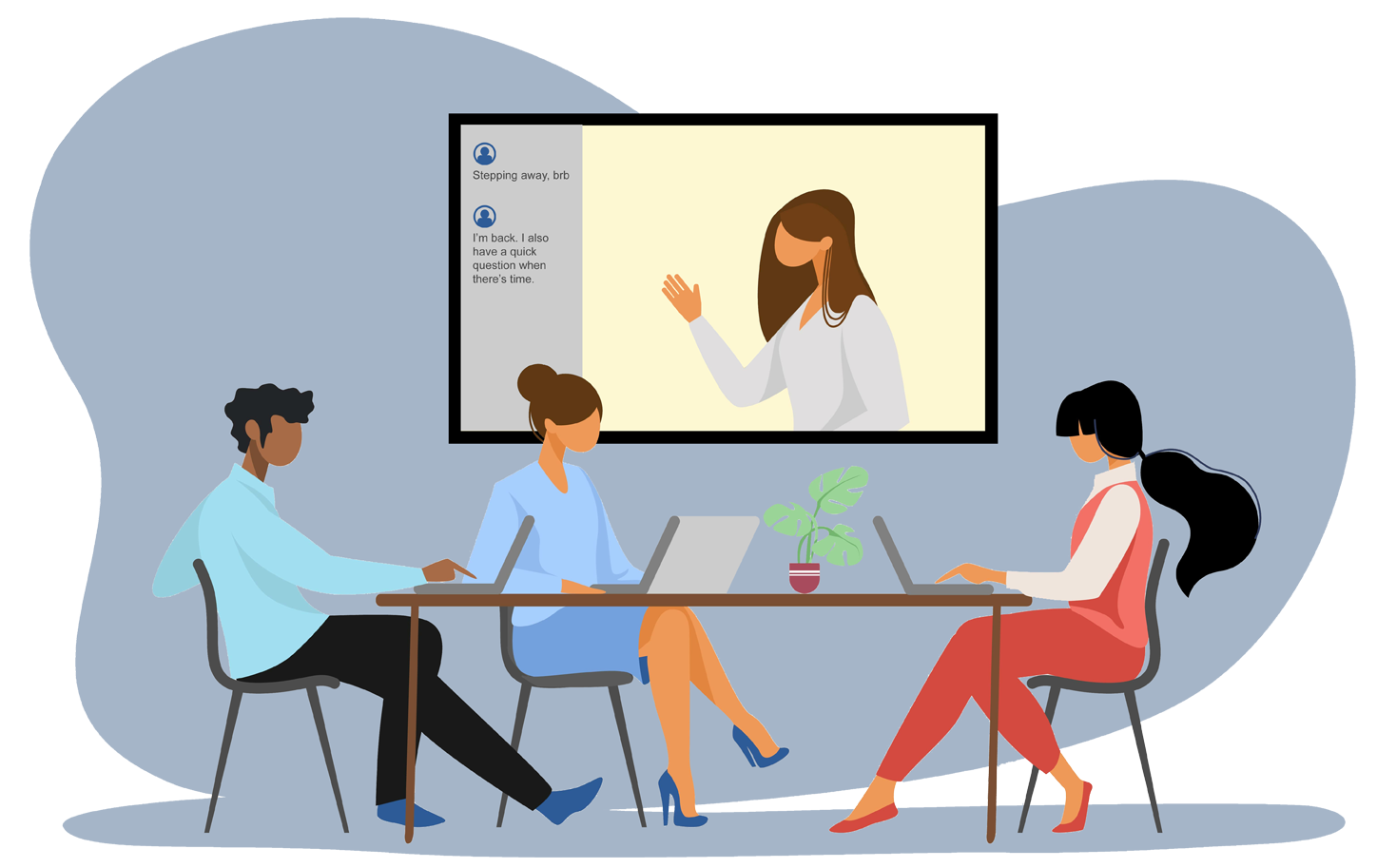
During the pandemic, video calls attempted to solve a major problem: our inability to collaborate in-person. But being co-located forced us to meet much more than usual. We assumed more meetings meant better collaboration. It didn't.
Technology can't replicate face-to-face conditions. We should stop trying to pretend it can (or stressing over how it can't).
Human interaction doesn't work the same way on screen as it does off. So the question shouldn't be whether in-person is better than virtual communication—it's how we can design for how interactions actually occur in a virtual environment.
What Actually Breaks in Virtual
According to Asana's 2024 State of Work Innovation report, individual contributors now lose 3.7 hours a week to unproductive meetings—up 118% from 1.7 hours in 2019. We tried cutting meetings, but the load kept growing anyway. That's because the problem isn't the medium. It's that tools and frameworks were never actually designed for virtual in the first place.
Those awkward silences on a Zoom call and off-camera participants? They're not evidence of disengagement or anti-social personalities. People don't know when to speak because they can't read nonverbal cues the way they would in person. The brain wasn't built to read the expressions of 15 faces at once.
In Owl Labs' 2023 State of Hybrid Work report, 51% of remote workers named not feeling seen and heard in meetings as a top source of work stress. Cisco's Hybrid Work Index found that 48% of participants never speak at all during video meetings—not because they have nothing to say, but because there's one microphone and someone else is already using it.
What you get is silence that looks like agreement. Those who speak quickly shape the direction. Those who need time to think get skipped, and decisions get made on partial information.
The real paradox: we're meeting more, but hearing less.
Meeting Better, Not Less
If we can't meet less, we should at least make meetings better. That means accepting three things most organizations resist:
Create a clear purpose, not just an agenda. An agenda is a list of topics, but purpose is the frame: Are we shaping the future, learning something new, or reflecting on the past? Participants need to know before they walk in—not after 10 minutes of meandering.
Create space for silence and reflection. Quiet doesn't mean disengaged. Some people process deeply. Others fear interrupting. The solution isn't to force faster responses. It's to give people space to think and time to contribute when they're ready.
Invite multichannel contribution—not just verbal. Let people share in writing. Asynchronous input is more inclusive and invites a greater variety of ideas.
This is what WeEngage is built for. It runs alongside your live call or in-person room, and can even be run without one. It's meant to be used dynamically. People can keep contributing verbally while others respond in writing at the same moment. Every contribution lands with equal weight. You stop choosing between a fast conversation and a complete one.
It encourages structured questions, offers anonymity, ensures facilitator-led pacing, and provides AI insights that become the next discussion point.
These aren't just features. They're the design that makes virtual conversations more inclusive, generative, and human.
The Work Ahead
Hybrid work isn't going away. Remote meetings are here to stay. The question is whether we keep forcing them to work like in-person gatherings, or whether we design for how virtual actually functions.
The answer isn't fewer meetings. It's better ones.
WeEngage is live. Start your free trial
While the ideas and perspectives are always mine, AI tools help me draft and edit content.